
In ADK, you can link the model, application functions and routing rules in one process. The developer decides what steps the model performs and at what point a person is needed.
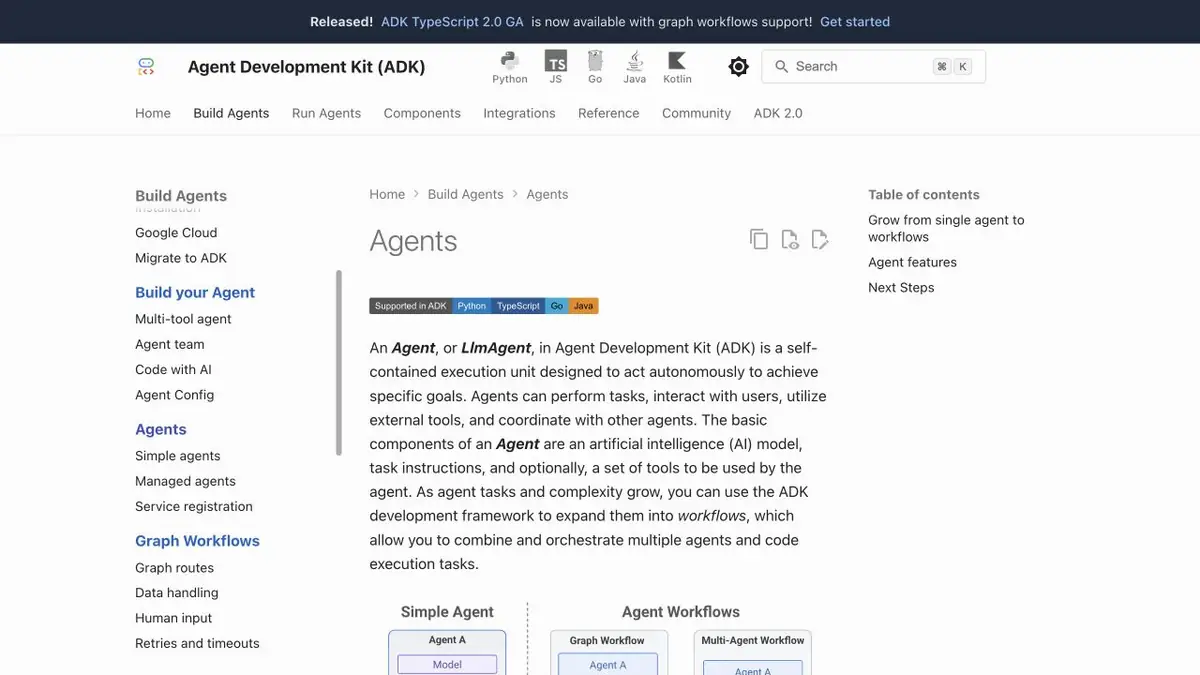
Where the role of the model ends
A delivery team receives requests to change an address, check an order, or cancel it. First decide which requests a model may handle and which functions it may call. In Google ADK, you can describe these boundaries in code. The model interprets free text, and the application picks a route and checks required fields. A simple operation can use a sequence where each step receives a predefined input.
The developer can assemble several agents or leave one. An additional agent is appropriate if a single step needs its own tools and access restrictions.
Draft before cancellation
Consider a practice cancellation workflow. One step identifies the intent, and the next reads the order status through a test tool. If the order has already gone out for delivery, the workflow gives the operator a short explanation and ends the automated part. If the order is still in the warehouse, it drafts a cancellation. Make confirmation an explicit transition and verify that the write function is unavailable before it.
What to do before launch
Try a request with no order number, two copies of the same event, and a tool error. Record which route is selected and whether the workflow can resume without making the change twice. Check what goes into the history and who can read it. Workflow costs depend on the model and hosting. Count model calls separately from quick checks performed in code.
Suitable tasks
- Split Incoming Tasks Between Narrow Agents
- Test before action with external consequences
Strengths
- Supports different ways of composition of agents
- There are examples for multiple languages and deployment options
Limitations
- The result depends on the chosen model, tools and their rights
- Routes and recovery after errors need to be designed
Selection and conditions
- Free access
- Yes
- Trial period
- Not confirmed
- No sign-up required
- Not confirmed
- Russian interface
- Not confirmed
- Local installation
- Yes
- API
- Not confirmed
“Not confirmed” means there is not enough information. The feature may still be available; check the developer’s terms.
- Input formats
- Text, Document
- Result
- Text
Terms
The open framework does not have a separate subscription. The model calls and the selected placement site can be billed separately. The result depends on the model, tools and their rights.From task to first result
Practical example
- Task
- Split Incoming Tasks Between Narrow Agents
- What to prepare
- Sample customer requests and instructions for routing them between departments.
Task brief or prompt
For each appeal, offer a category, a brief explanation and the next step according to the instructions. If you don't have enough data, pass it on to the person. Prepare drafts of changes; recording to external systems is allowed only after verification.
Expected result
Verifiable plan for processing requests and drafts of actions in the configured process.
How to check the result
- Check unknown categories and empty entry.
- Check connection permissions and ensure the workflow stops before any action requiring approval.
An editorial teaching example of a task brief, not the result of hands-on testing of the service. Check that the required mode is available, that you have rights to the source material and that the intended use of the result is permitted.
Check details
Official sources
This description is based on the developer’s material. Features, prices and availability may change; check the primary source before use.