

The server reuses the calculations for matching parts of requests. The impact of the cache can be evaluated on a repeatable set of inputs with the same generation parameters.
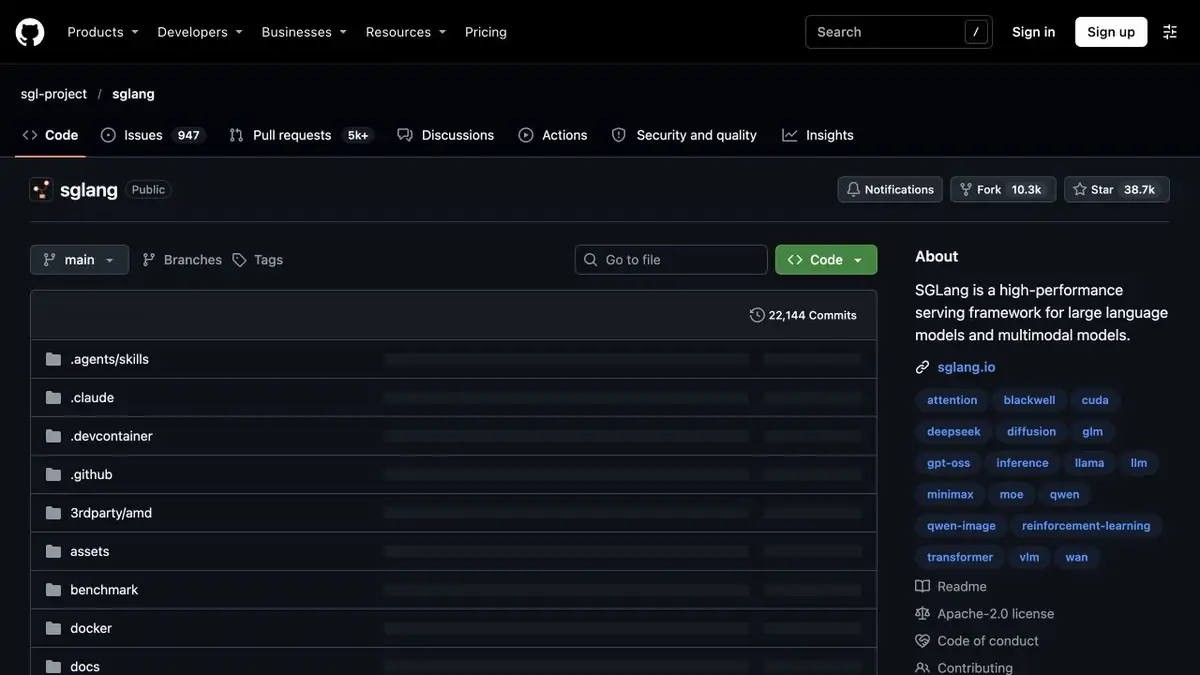
Identify repeated input prefixes
Suppose a team reads the same guide and asks different questions. Each request begins with the same answer instructions and the same document, and only the question changes. This is a good case for testing SGLang prefix caching. The server can reuse some of the computation. If every request starts with a different user-specific passage, fewer prefixes will match and the result may differ.
Two sets for one model
Collect training questions of equal complexity. In the first series, leave a general instruction and document at the beginning. In the second, put different documents of the same size. Run the series at the same response length and record the time until the first fragment appears, the number of errors and the load on the memory. Do not mix the cache effect with model or temperature changes. For a small run, cold start and first turns are especially noticeable, so mark them separately.
How to make a decision
If typical requests rarely share a prefix, compare server behavior on the actual distribution of input lengths and request counts first. For a repeated workload, record how many shared documents fit in the current configuration. Before deployment, verify model availability, the client endpoint, and behavior after restart. The inference cache can be warmed again. Document access must still be enforced by the application.
Suitable tasks
- Compare load with general and changing entry start
- Check the server for a repeated series of calls
Strengths
- Prefix caching and parallel startup documented
- There are examples for several model families
Limitations
- Performance gains depend on the input structure and serving configuration
- Check hardware and model format support separately
Selection and conditions
- Free access
- Yes
- Trial period
- Not confirmed
- No sign-up required
- Not confirmed
- Russian interface
- Not confirmed
- Local installation
- Yes
- API
- Yes
“Not confirmed” means there is not enough information. The feature may still be available; check the developer’s terms.
- Input formats
- Text, Code
- Result
- Text, Data
Terms
You can deploy the open-source engine yourself. Hardware and hosting costs and the license for the weights depend on your setup. Performance gains depend on the input structure and serving configuration.From task to first result
Practical example
- Task
- Compare load with general and changing entry start
- What to prepare
- Supported model, test server and a small set of short and long requests.
Task brief or prompt
Run the model on a test server. Compare responses and wait times for a single query and for a group of simultaneous calls.
Expected result
Table of delays, errors and startup settings with saved inputs.
How to check the result
- Check the generation settings and the version of the weights before comparing.
- Check the long request and repeat after the error without access from the open network.
An editorial teaching example of a task brief, not the result of hands-on testing of the service. Check that the required mode is available, that you have rights to the source material and that the intended use of the result is permitted.
Check details
Official sources
This description is based on the developer’s material. Features, prices and availability may change; check the primary source before use.
