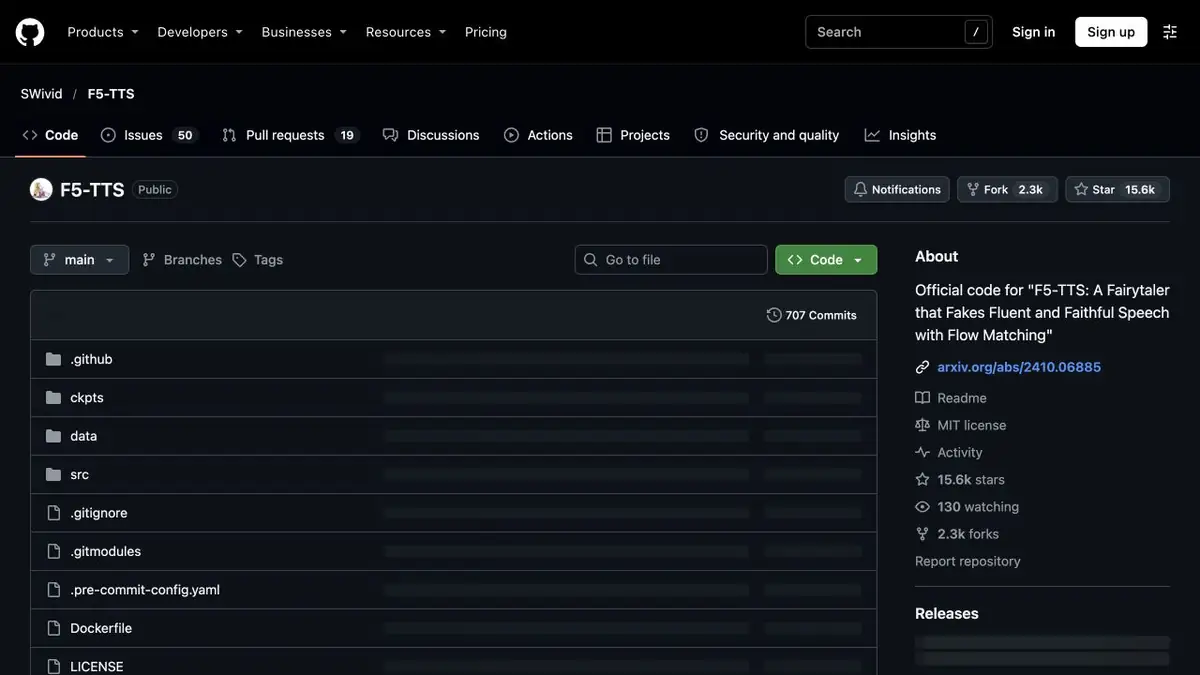
A speech synthesis model based on flow matching. In the typical local workflow, a reference audio file and its transcript guide the voice.
Why the reference transcript matters
In the usual workflow, F5-TTS uses a voice sample and the words actually spoken in it to generate a new line. Pick a clip of one speaker without background music or distracting noise. Check the transcript by hand, especially if the speaker stumbles or restarts a word. A clip with hard-to-understand speech makes a poor reference.
Test on a short training tip
Write down your own phrase that after inspecting the device you need to fill out a journal. Prepare the following phrase with one abbreviation and date. After synthesis, check the numbers by ear, then listen to the model move to a short word after a pause. If the abbreviation sounds wrong, compare the option with the full spelling. Success on one short phrase does not yet show that the long instruction will be kept at the same pace.
Keep the source and results separate. In the draft, this simplifies the comparison of different voice samples and does not confuse recording with synthesis.
Local launch and rights restrictions
The repository provides commands for different installation and startup options. Check the compatibility of the computing environment before processing long text. The MIT license refers to the code, and for pre-arranged scales, developers specify CC BY-NC. Separately agree on the possibility of using a voice sample for synthesis and publication. Access to the model files does not replace such coordination.
Suitable tasks
- Collect a black line with the allowed voice
- Verify pronunciation of names and numbers
Strengths
- Local start code and audio examples of authors
- Accepts reference audio and a transcript
Limitations
- Pre-trained weights have a non-commercial license
- Results depend on the recording quality and transcript accuracy
Selection and conditions
- Free access
- Yes
- Trial period
- Not confirmed
- No sign-up required
- Not confirmed
- Russian interface
- Not confirmed
- Local installation
- Yes
- API
- Not confirmed
“Not confirmed” means there is not enough information. The feature may still be available; check the developer’s terms.
- Input formats
- Text, Audio
- Result
- Audio
Terms
Authors publish code, weights and audio examples. The command line and local interface of Gradio are available, described in the repository.From task to first result
Practical example
- Task
- Collect a black line with the allowed voice
- What to prepare
- Own voice recording with synthesis resolution and several new phrases in a suitable language.
Task brief or prompt
Speak phrases on a voice pattern. Check the names, intonation and naturalness of pauses.
Expected result
Black audio track with synthesized speech.
How to check the result
- Verify the text with the entire recording.
- Compare the timbre on different phrases and check the voice permission.
An editorial teaching example of a task brief, not the result of hands-on testing of the service. Check that the required mode is available, that you have rights to the source material and that the intended use of the result is permitted.
Check details
Official sources
- Study page and F5-TTS sound examples
- Local launch, examples and F5-TTS licenses
- Study authors on F5-TTS speech synthesis
This description is based on the developer’s material. Features, prices and availability may change; check the primary source before use.